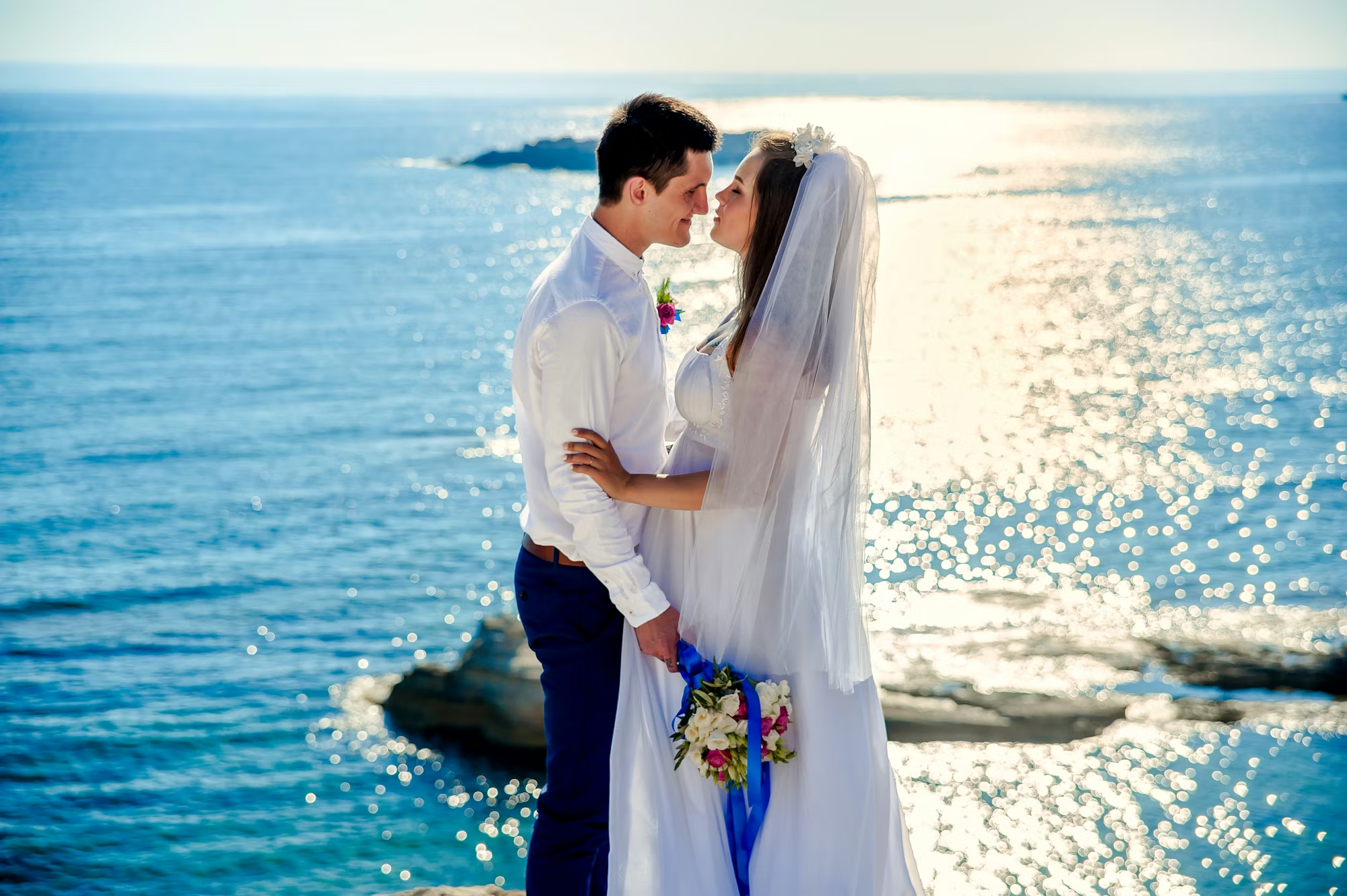
Planning a wedding is one of the most exciting yet challenging tasks for couples embarking on their journey together. The process is filled with numerous decisions that reflect personal styles, cultural traditions, and the vision for their special day. This article delves into the key components of wedding planning, highlighting how couples can create lasting memories through thoughtful choices and unique experiences.
One of the first steps in wedding planning is setting a budget. Understanding financial limits is crucial, as it guides every decision moving forward. Couples should discuss their priorities and identify which aspects of the wedding are most important to them. Whether it’s a stunning venue, a gourmet catering service, or a memorable entertainment experience, having a clear budget helps streamline the planning process and reduces stress.
Once the budget is established, the next step is to choose a date and venue. This decision often dictates the overall vibe of the wedding. Some couples may opt for traditional venues such as churches or banquet halls, while others might lean toward unique locations like gardens, beaches, or even historic buildings. Outdoor venues have become increasingly popular due to their natural beauty and versatility. The choice of venue sets the stage for the entire celebration, making it essential to select a location that resonates with the couple’s style and story.
After securing a venue, couples can begin crafting their guest list. This can be a delicate process, as it involves balancing the desire for an intimate gathering with the wish to include loved ones. Many couples today are choosing to have smaller, more intimate weddings, often referred to as micro weddings. These gatherings allow for deeper connections with guests and enable couples to focus on meaningful interactions rather than logistics. A smaller guest list can also open up opportunities for unique venues and personalized experiences.
The next major consideration is the wedding theme and overall aesthetic. Couples can choose from a myriad of styles, whether it’s rustic, bohemian, classic, or modern. This theme will guide decisions related to decor, attire, and even the food served at the reception. For instance, a vintage-inspired wedding might feature lace table runners, antique decor, and a classic car for transportation. By establishing a cohesive theme, couples can create an immersive experience for their guests, enhancing the overall atmosphere of the day.
Flowers play a significant role in wedding decor, adding color, fragrance, and elegance to the celebration. Choosing the right floral arrangements can elevate the theme and create a visually stunning environment. Many couples are opting for seasonal flowers that not only reduce costs but also ensure freshness. From bouquets to centerpieces, floral designs can reflect personal tastes and complement the overall wedding aesthetic.
Food and beverage selection is another critical aspect of wedding planning. The culinary experience should not only satisfy guests’ appetites but also reflect the couple’s preferences. Many couples are moving away from traditional sit-down dinners in favor of interactive dining experiences, such as buffet stations or food trucks. This trend not only encourages mingling among guests but also allows for a diverse array of dishes. Signature cocktails, often crafted to reflect the couple’s story or favorite flavors, can add a personal touch to the drink menu.
Entertainment is essential for creating a vibrant atmosphere. Couples can choose from a variety of options, from live bands and DJs to unique experiences like caricature artists or fire dancers. The right entertainment not only keeps guests engaged but also sets the tone for the celebration. Couples may opt for a mix of traditional and modern elements, ensuring that guests of all ages find something enjoyable.
As the wedding day approaches, organization becomes paramount. Many couples find it beneficial to create a detailed timeline that outlines the day’s events. This timeline should include everything from hair and makeup appointments to the ceremony and reception schedules. By planning ahead, couples can ensure that the day flows smoothly, allowing them to focus on enjoying the moment rather than stressing over details.
Another trend that has gained popularity is the inclusion of personalized elements that tell the couple’s story. This could be through custom signage, photo displays, or even a video montage that showcases their journey together. These personal touches not only make the wedding feel more intimate but also create lasting memories for both the couple and their guests. Couples are increasingly looking for ways to engage their guests in their love story, ensuring that everyone feels connected to the celebration.
Wedding favors are another way to leave a lasting impression on guests. Many couples are choosing to offer personalized favors that reflect their personalities or interests. From handmade treats to custom keepsakes, these small tokens of appreciation serve as a reminder of the special day. Thoughtful favors show guests that their presence is valued and contribute to the overall experience of the celebration.
As the big day arrives, couples often find themselves caught up in a whirlwind of emotions. It’s essential for them to take a moment to breathe and enjoy the love surrounding them. Many couples choose to carve out time for a private moment together before the festivities begin, allowing them to savor their commitment to one another. This time can be incredibly grounding and help alleviate pre-wedding jitters.
Finally, as the wedding day unfolds, it’s crucial for couples to remain flexible. Despite careful planning, unexpected events may arise. Whether it’s a sudden change in weather for an outdoor ceremony or a last-minute vendor issue, maintaining a positive attitude can make all the difference. After all, the focus of the day is on celebrating love, and the joy of the occasion can easily overshadow any small hiccups.
In conclusion, wedding planning is a multifaceted process that requires careful consideration and creativity. From budgeting and venue selection to personalization and entertainment, every detail contributes to creating a memorable experience. By focusing on what matters most to them as a couple and incorporating personal touches, couples can craft a celebration that resonates with their love story. Ultimately, the goal is to create lasting memories not just for themselves but for all their loved ones who gather to celebrate their union.